1. The Foliar Profile: Gloss, Margins & Crimson Petioles
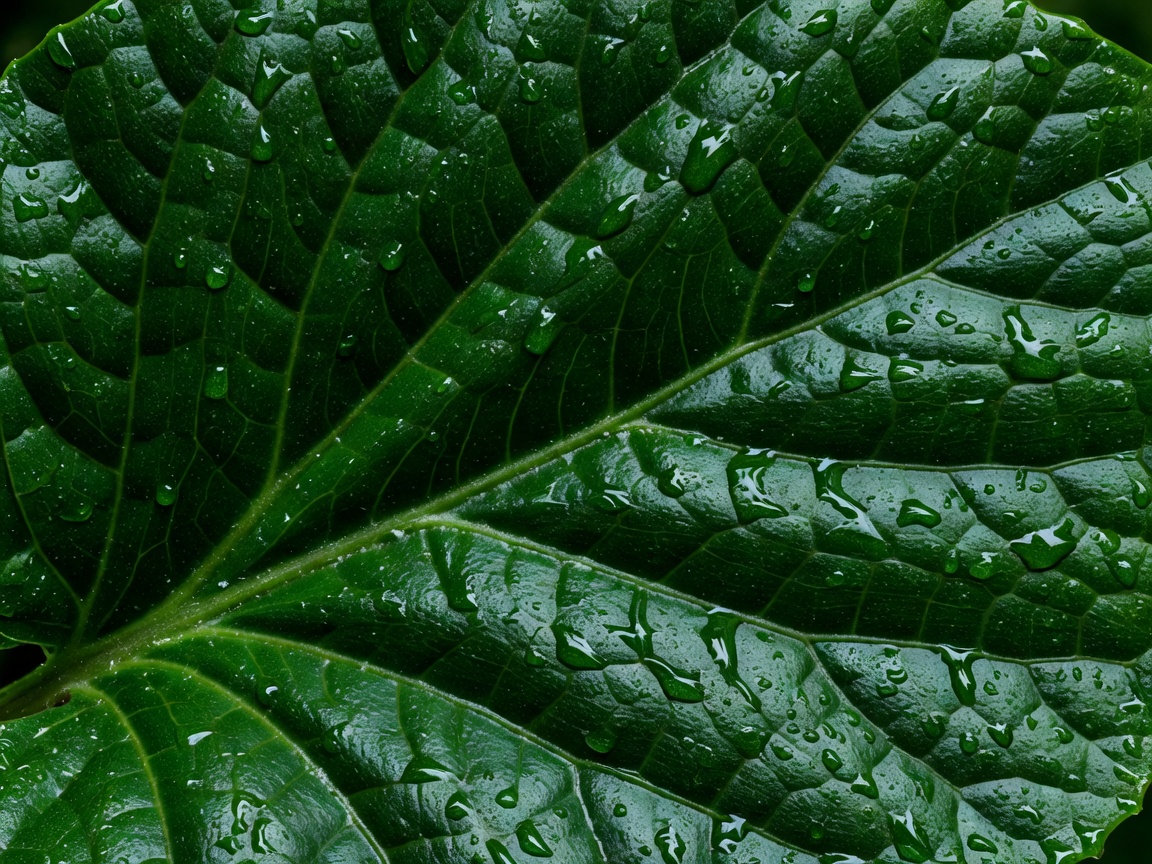
The most immediate diagnostic hallmark of Prunus lusitanica is its striking leaf architecture. Unlike the pale or yellow-green hues of many garden laurels, wild Portuguese laurel produces leaves that are coriaceous (thick and leathery), measuring 7 to 15 centimeters in length and 3 to 5 centimeters in width.
The upper surface exhibits a glossy, deep emerald-moss sheen that reflects dappled sunlight, while the ventral surface is markedly paler with a matte texture. The leaf margins are shallowly crenate to serrate, each tiny serration frequently terminated by a minute glandular point.
Crucial Field Check: The Crimson Petiole
Inspect the leaf stalk (petiole). In true Prunus lusitanica, the petiole is between 1.5 and 2.5 centimeters long and reliably stained with a deep, burnished wine-red or crimson hue. This coloration frequently extends into the base of the midrib, providing an instant separation from Laurus nobilis (True Bay Laurel) and Prunus laurocerasus (Cherry Laurel), both of which possess yellow-green petioles.
2. Young Branchlets & Bark Characteristics
Young terminal twigs and seasonal branches mirror the crimson tones of the leaf petioles. During spring and early summer flushes, newly formed shoots are smooth, vibrant reddish-purple, and completely glabrous (hairless). As stems mature into secondary wood, this bright coloration dulls into an ash-grey or dark brownish-charcoal bark.
On mature specimens exceeding 30 years of age, the trunk bark remains relatively thin and compact, bearing subtle horizontal lenticels. In old-growth ravine populations, trunks are frequently colonized by epiphytic crustose lichens (*Graphis* and *Lecanora* species), producing a silver-mottled appearance.
3. Inflorescence Architecture & Floral Phenology
In late spring (typically mid-May through late June, varying with altitude), Portuguese laurel produces spectacular inflorescences that stand out vividly against the dark backdrop of foliage.
- Raceme Form: Borne from the axils of the previous year’s leaves, the racemes are slender, erect or ascending-arching cylindrical spikes measuring 15 to 25 cm in length.
- Individual Florets: Each flower is small (10 to 12 mm across) with five spreading, creamy-white petals and numerous prominent stamens with yellow anthers that extend well beyond the corolla.
- Aroma: The inflorescence releases a characteristic sweet, hawthorn-like almond scent containing subtle traces of benzaldehyde, attracting swarms of native Iberian pollinators.
4. Fruit Ontogeny & Maturation Phases
Following successful entomophilous pollination, the small ovaries develop into small, conical-ovoid drupes measuring approximately 8 to 13 mm in length. Fruit maturation follows a clear, distinctive chromatic transformation:
- July (Early Development): Firm, pale lime-green drupes arranged densely along the raceme axis.
- Late August (Intermediate Stage): Fruits transition rapidly to a vivid, lustrous scarlet-red, creating a striking contrast against the dark foliage.
- September – October (Full Maturity): The outer skin turns glossy dark purplish-black. The thin, bitter flesh surrounds a single hard, pointed stone (endocarp).
Toxicity Note
Like many species within the genus Prunus, the leaves and seed kernels contain cyanogenic glycosides (such as amygdalin) which break down into hydrogen cyanide upon mechanical mastication. While entirely safe for frugivorous birds that pass the hard stone intact, the foliage and raw seeds should never be consumed by livestock or humans.
5. Comparative Diagnostic Matrix
| Diagnostic Trait | Prunus lusitanica | Prunus laurocerasus | Laurus nobilis |
|---|---|---|---|
| Petiole Color | Deep Crimson / Purple-Red | Pale Green / Yellowish | Olive-Green / Brownish |
| Leaf Margin | Regularly crenate-serrate | Entire or remotely toothed | Smooth, distinctly wavy (undulate) |
| Inflorescence | 15–25 cm slender raceme | 8–12 cm dense erect raceme | Small axillary umbels |
| Crushed Leaf Scent | Faint bitter almond | Strong cherry-marzipan | Pungent culinary bay spice |