1. The Tertiary Relict: A Window into Ancient Europe
To understand the native habitat of Prunus lusitanica, one must look back into the Tertiary period (specifically the Neogene, 23 to 2.6 million years ago). Prior to the Pleistocene glacial cycles, broadleaf evergreen laurel forests (*laurisilva*) dominated much of southern and central Europe under a warm, humid subtropical climate.
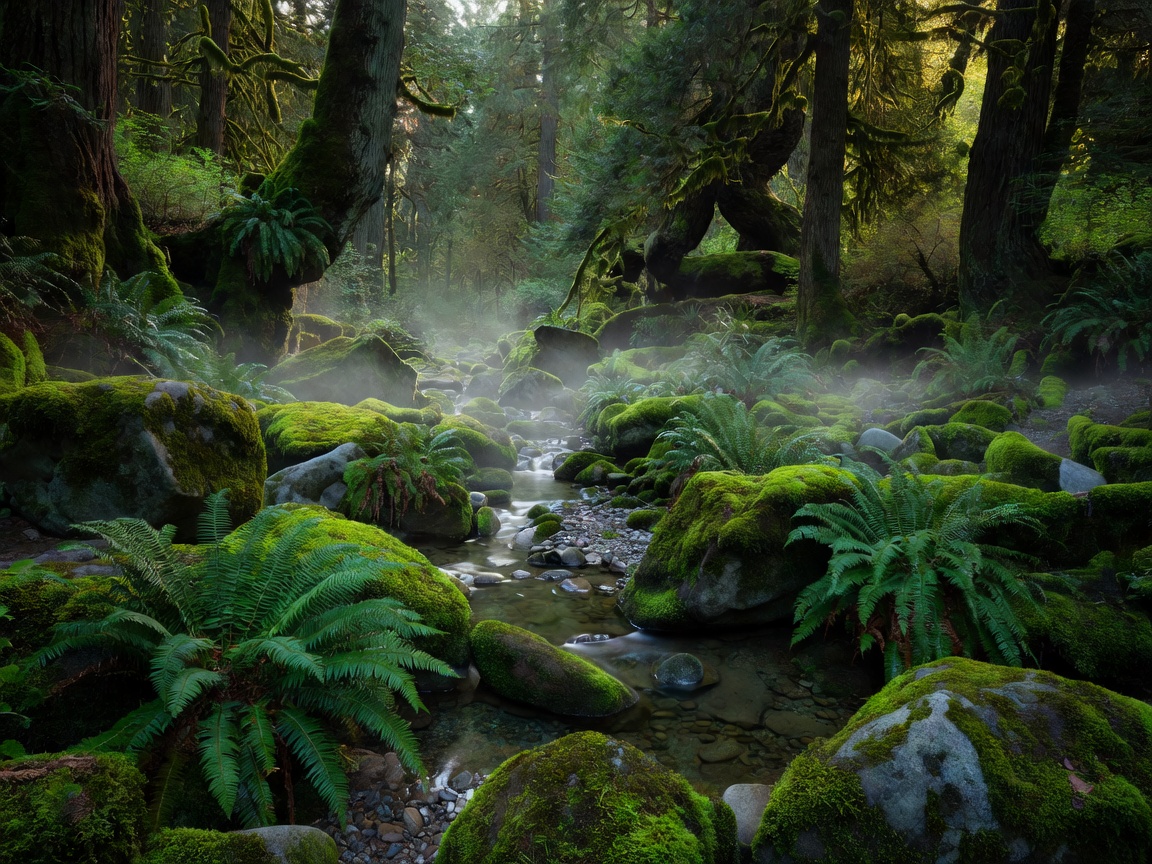
As the climate cooled and Mediterranean summer droughts intensified, these broadleaved evergreen canopies collapsed across continental Europe. Prunus lusitanica persisted only in isolated thermal refugia—deep oceanic gorges, north-facing mountain slopes, and sheltered river valleys across Portugal, northwestern Spain, and small pockets of the Pyrenees.
2. Portuguese Core Biogeographical Zones
Within mainland Portugal, native stands of Portuguese laurel are distributed discontinuously across three primary geographical regions:
- Serra da Estrela & Beira Alta: Located along dramatic river canyons (such as the Alvoco and Loriga river valleys). Here, trees cling to steep granite ledges between 500 and 1,000 meters elevation, sustained by mountain runoff and constant valley mist.
- Serra do Gerês & Peneda (Minho): In northern Portugal, the species occurs within hyper-humid oak forests (*Quercus robur* and *Quercus pyrenaica*), occupying shaded stream banks where annual precipitation exceeds 1,800 mm.
- Serra de Sintra (Estremadura): Influenced by maritime summer fogs (*capacete*) blowing directly from the Atlantic Ocean, Sintra provides an unusual coastal microclimate where ancient specimens thrive on granitic scree.
3. Soil Edaphology & Microclimate Conditions
Wild Portuguese laurel is an edaphic specialist requiring precise subterranean and atmospheric conditions to germinate and reach maturity:
Edaphic & Climatic Blueprint
Substrate: Well-drained, humus-rich acidic soils derived from weathered granites, quartzites, and schists. Soil pH typically measures strictly between 4.5 and 6.0.
Hydrology: Intolerant of chronic standing water or saturated marsh conditions, yet demanding consistent root moisture during the Mediterranean summer drought.
Insolation: Tolerates deep shade as an understory sapling, transitioning to high vigor when canopy gaps open, admitting partial sunlight.
4. Phyto-Sociological Communities & Associates
In its native Portuguese habitat, Prunus lusitanica does not form vast monocultures; rather, it participates in high-conservation-value riparian and ravine forest associations classified under Natura 2000 (Habitat 9230 and Habitat 91E0).
Key botanical associates in these woodland ecosystems include:
- Overstory Canopy: Quercus robur (Pedunculate Oak), Castanea sativa (Sweet Chestnut), and Alnus glutinosa (Black Alder along stream edges).
- Sub-Canopy & Understory: Laurus nobilis (Bay Laurel), Ilex aquifolium (European Holly), Frangula alnus (Alder Buckthorn), and Viburnum tinus (Laurustinus).
- Herbaceous Ground Cover: Woodwardia radicans (Chain Fern), Polystichum setiferum, and Hypericum androsaemum (Tutsan).
5. Ecological Roles in Wildlife Sustenance
The dense architecture of Portuguese laurel plays a keystone structural role in mountain forest food webs. The thick evergreen canopy shields birds from torrential winter rains and predatory raptors. During October and November, when deciduous trees have dropped their fruit, the high-lipid drupes of Prunus lusitanica provide crucial caloric intake for migrating avifauna, including the Blackcap (*Sylvia atricapilla*), Song Thrush (*Turdus philomelos*), and European Robin (*Erithacus rubecula*).