1. The Great Cultivar Paradox
One of the greatest paradoxes in modern European dendrology is the stark contrast between the commercial abundance of Prunus lusitanica in horticulture and its threatened status in the wild. Walk through public parks or private gardens in London, Paris, or Brussels, and one will see thousands of tightly clipped hedges, geometric topiary cones, and screening walls of Portuguese laurel.
However, almost the entirety of this commercial horticultural stock originates from a narrow genetic selection—frequently the compact cultivar Prunus lusitanica ‘Myrtifolia’ (also known as ‘Angustifolia’). In contrast, the genetically diverse, ancient wild populations native to Portugal occupy tiny, highly fragmented refugia that are increasingly threatened.
Cultivar vs. Wild Specimen Differences
Horticultural Cultivars (‘Myrtifolia’): Selected for smaller, more densely packed leaves (4–8 cm), strictly conical upright growth, slower growth rates, and dense branching capable of tolerating mechanical hedge shearing.
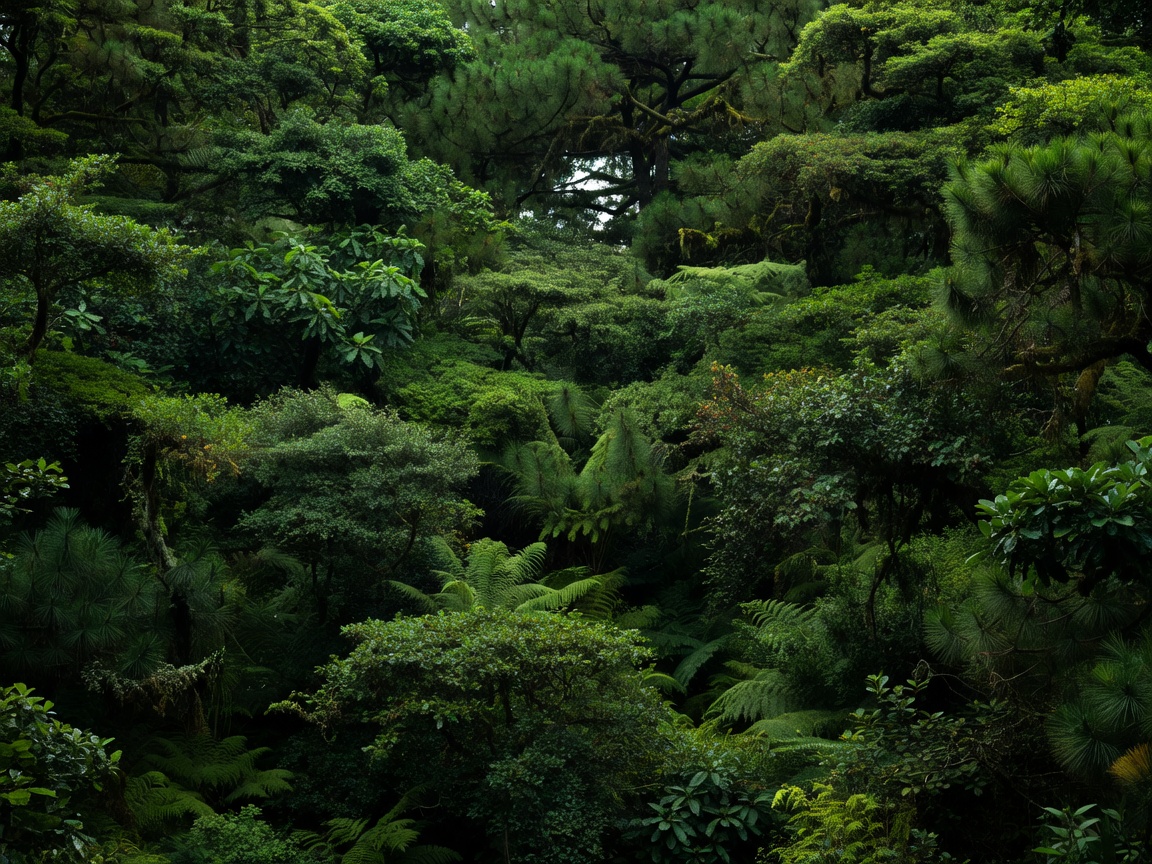
Wild Type (Subsp. lusitanica): Grows into an open, spreading arborescent tree reaching 10–15 meters in height with larger foliage (8–15 cm), looser branches adapted to capturing light in woodland ravines, and wide genetic variability essential for climate resilience.
2. Conservation Status & The IUCN Red List
On the official Red List of Vascular Flora of Mainland Portugal, native populations of Prunus lusitanica are designated with protected conservation status due to severe geographic fragmentation and small population sizes. The Portuguese Society of Botany estimates that fewer than 50 distinct natural subpopulations survive across the country, several of which consist of fewer than 20 mature reproductive individuals.
3. Primary Ecological Pressures & Threats
The survival of wild Portuguese laurel stands in Portugal is constrained by multiple anthropogenic and environmental stressors:
- Catastrophic Wildfires: The intensification of summer heatwaves and recurrent mega-fires in central and northern Portugal (exacerbated by eucalyptus and pine plantations) regularly damages relict ravine forests. While the species can resprout from the root collar, repeated burn cycles deplete seed banks and destroy ancient specimens.
- Invasive Exotic Competition: Invasive alien species such as Acacia dealbata (Silver Wattle) and Hakea sericea rapidly colonize river corridors post-fire, outcompeting slow-growing Portuguese laurel seedlings for light and moisture.
- Hydrological Alteration: Small-scale damming, agricultural water extraction, and stream channel modification reduce the essential ambient humidity and perennial moisture required by seedlings.
- Genetic Erosion: Due to extreme distance between isolated ravines, gene flow between populations via avian seed dispersal has dropped significantly, increasing the vulnerability of isolated pockets to localized pathogen outbreaks.
4. Active Conservation & Research Initiatives
Botanical research stations across Portugal, including the Sintra station and the University of Coimbra Herbarium, are actively leading restoration programs:
- Ex-Situ Seed Banking: Collecting and cryopreserving wild germplasm from distinct river basin lineages to prevent genetic extinction.
- Riparian Habitat Restoration: Systematically removing invasive *Acacia* stands from core ravine habitats and reintroducing nursery-propagated wild-genotype saplings protected by herbivore exclusion fencing.
- Establishment of Micro-Reserves: Creating localized legal sanctuaries around the most intact relict stands in the Serra do Açor (Mata da Margaraça) and Serra do Gerês to ensure long-term legal protection.