Forest Overview Morphology & ID Habitat & Ecology Wild vs Cultivated Contact & Herbarium
Endemic Iberian Specimen • Prunus lusitanica

Portuguese Laurel: Evergreen Relict of Ancient Iberian Woods

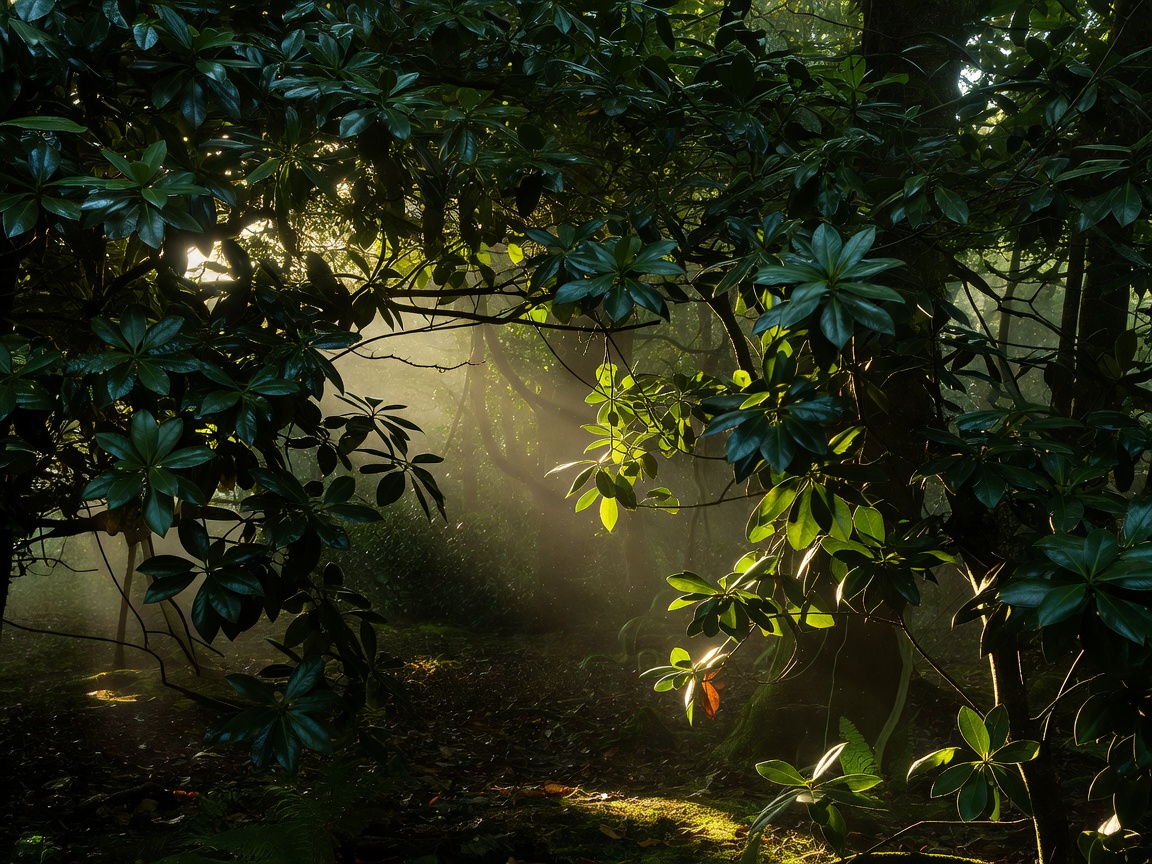
Step beneath the dense canopy where filtered sunlight illuminates the lustrous, dark-green foliage and distinctive burnished crimson petioles of Prunus lusitanica. A venerable evergreen survivor of prehistoric Tethyan laurel forests, preserved within Portugal's damp mountain ravines.

Sunlight filtering through lush Portuguese laurel canopy showing glossy dark leaves and woodland atmosphere
Subsp. lusitanica • Herbarium Sintra
Taxonomic Monograph

Diagnostic Field Explorations

Unlike ordinary garden cherries or laurel hedges, the wild Portuguese laurel represents a delicate ecological nexus. Browse detailed specimen dossiers structured for field botanists, naturalists, and forestry specialists.

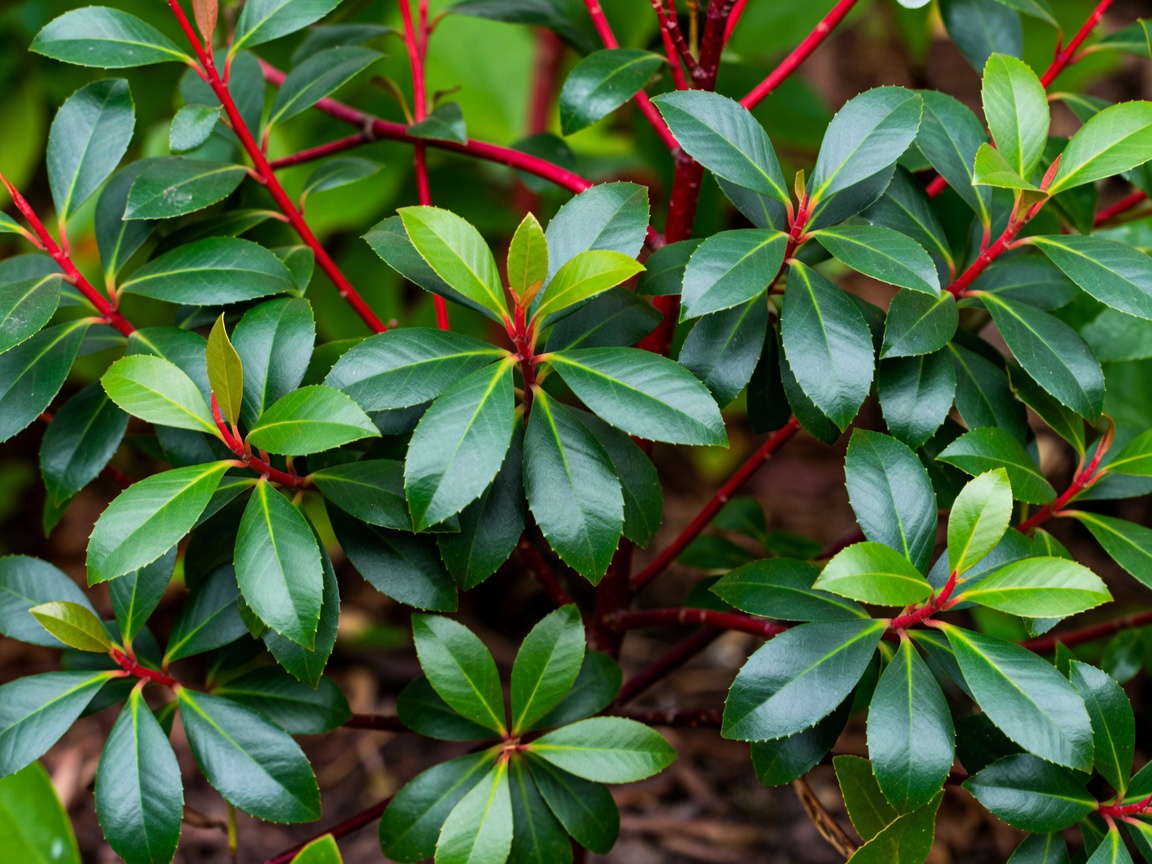
Detailed view of glossy ovate foliage and red stems characteristic of Prunus lusitanica SPECIMEN #PL-01 • MORPHOLOGY
Morphology Leaf Architecture Floral Racemes Fruit Phenology

Glossy Foliage, Crimson Petioles & Slender Racemes

Recognize the definitive structural hallmarks of wild Prunus lusitanica: coriaceous, lustrous dark-emerald leaf blades with shallow crenate-serrate margins and minute gland tips, sharply contrasted against vivid purple-crimson petioles and elongated 15–25 cm racemes carrying scented creamy-white blossoms.

Petiole Contrast: Deep wine-red to purple stems immediately separate it from common cherry laurel.
Floral Structure: Arching cylindrical racemes bearing up to 100 honey-scented 5-petaled florets.
Drupe Maturation: Gradual 3-stage chromatic transition from pale green to scarlet and midnight purple-black.
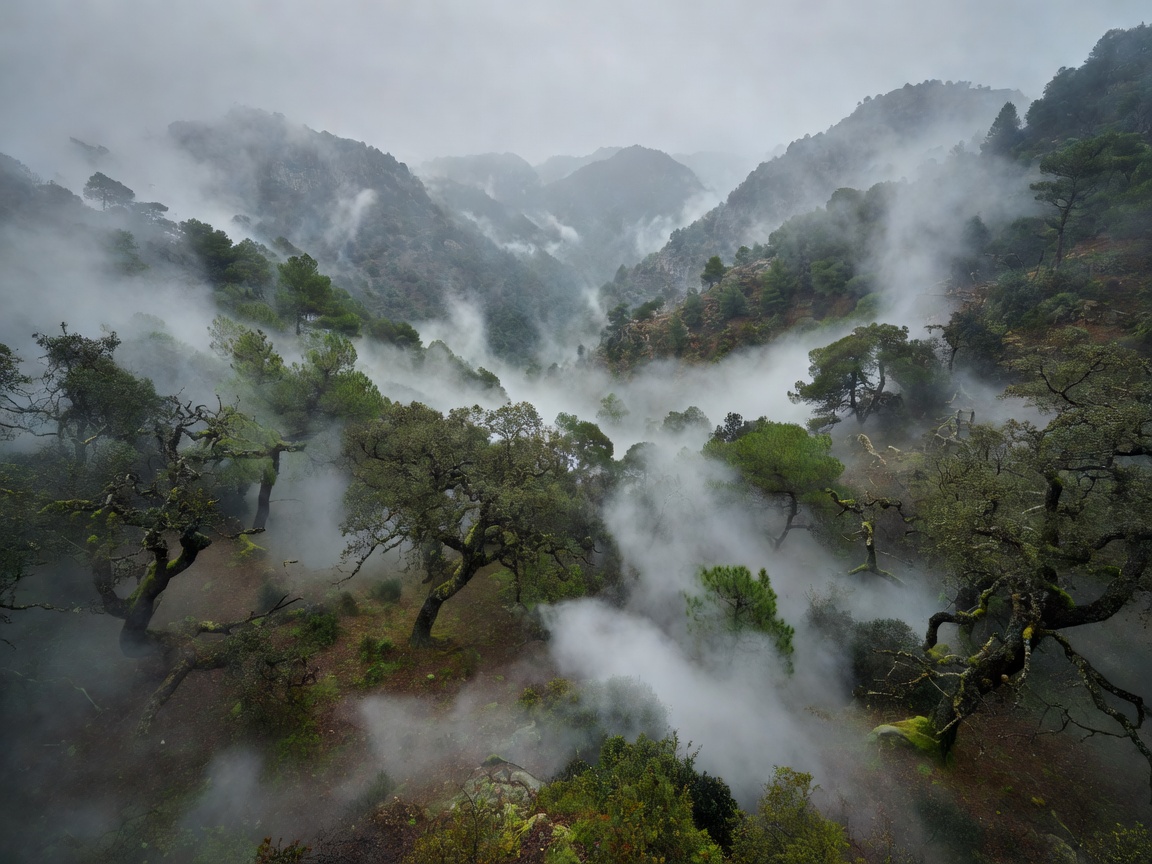
Dense fog and mist through Iberian woodland mountain valley habitat SPECIMEN #PL-02 • HABITAT & SOILS
Natural Habitat Laurisilva Relict Riparian Corridor Atlantic Fog Belt

Mountain Ravines & Moist Hyper-Oceanic Valleys

Native populations flourish exclusively in steep northern and western valleys of Serra da Estrela, Serra do Gerês, and the foggy granite ridges of Sintra. Discover how year-round atmospheric moisture, Atlantic cloud interception, and acidic decomposed granite sustain these ancient botanical sanctuaries.

Atlantic Cloud Refugium: Maritime summer fogs (capacete) offset Mediterranean heat, ensuring high relative humidity.
Canopy Associates: Sympatric with Quercus robur, Castanea sativa, and ancient Woodwardia ferns.
Edaphic Profile: Requires humus-rich, free-draining acidic substrates over granite bedrock (pH 4.5–6.2).
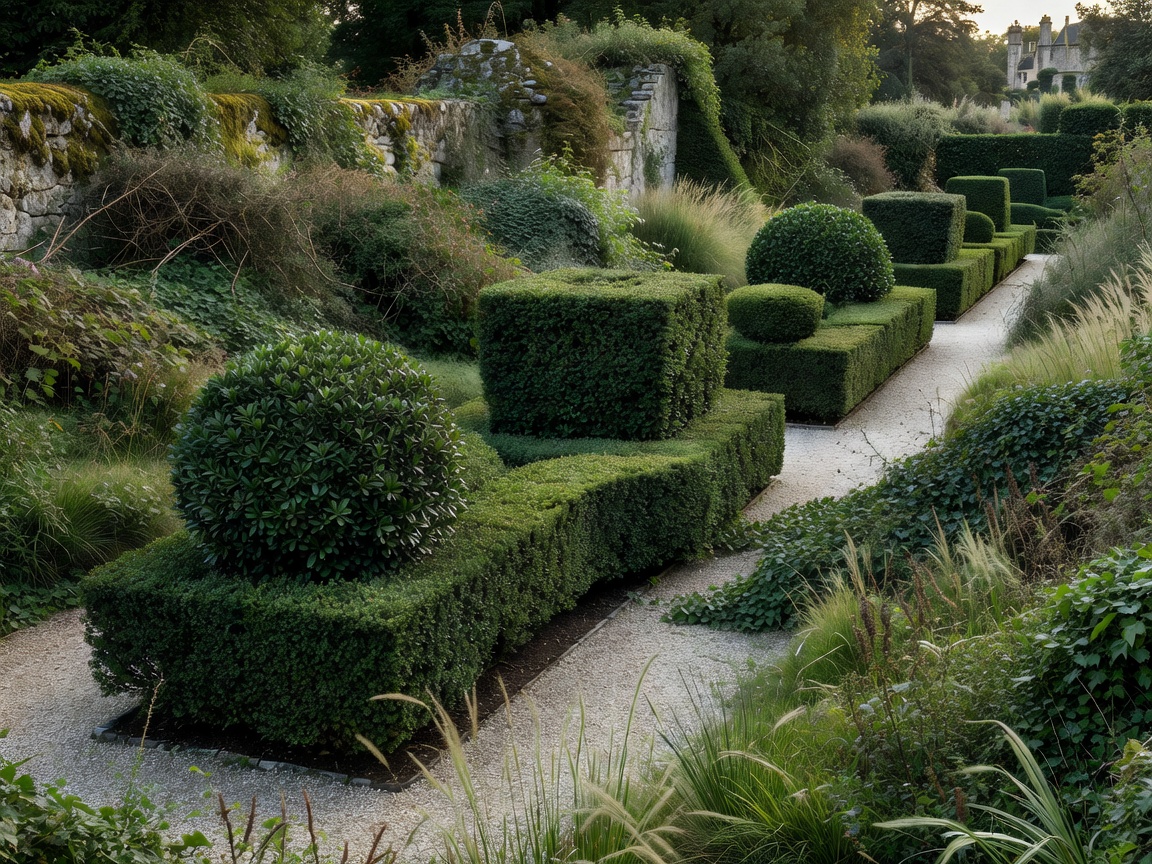
Portuguese laurel topiary and hedging in manicured European estate contrasting with wild growth SPECIMEN #PL-03 • WILD VS CULTIVATED
Conservation Wild Genotype Cultivar Divergence Red List Status

Wild Relicts vs. Commercial Garden Cultivars

While widely planted across western European formal parks as clipped hedges and topiaries, true wild Portuguese laurel stands face extreme genetic isolation, invasive wattle competition, and catastrophic wildfire cycles across their indigenous Iberian river basin strongholds.

Horticultural Clones: Garden stocks rely on uniform clonal 'Myrtifolia' selections with narrow genetic breadth.
Relict Genetic Diversity: Fewer than 50 natural subpopulations remain in mainland Portugal, possessing irreplaceable resilience traits.
Ex-Situ Seed Banking: Active cryopreservation and micro-reserve stewardship by Sintra and Coimbra herbariums.
Diagnostic Anatomy

Key Anatomical Distinctions

Differentiating Prunus lusitanica from related Mediterranean evergreen shrubs such as Laurus nobilis and Prunus laurocerasus.

Foliar Morphology

Corneous Foliage & Petiole

Alternate, oblong-ovate, 7–15 cm long. Deep dark green and shiny above, paler beneath, with shallow undulating gland-tipped teeth. The petiole is vividly tinted reddish-purple.

  • Lamina: Thick, leathery, sun-reflective gloss
  • Margin: Fine crenate-serrate with secretory glands
  • Petiole: 1.5–2.5 cm vivid crimson stalk
Field Diagnostic: Crimson petiole vs. pure pale green petiole of common cherry laurel.
Floral Phenology

Pendulous Inflorescences

Slender, ascending or gently arching cylindrical racemes (15–25 cm). Crowded with small, creamy-white 5-petaled florets displaying protruding stamens with honey-scented fragrance.

  • Flower Size: 10–12 mm across, 5 white petals
  • Stamens: Prominent yellow anthers extending outward
  • Scent: Hawthorn-almond fragrance rich in benzaldehyde
Bloom Period: Late Spring (May – June) in axils of previous year shoots.
Fruit Ontogeny

Drupe Fructification

Pointed ovoid fruits (8–13 mm) transitioning in sequence from lime green to rich scarlet-red, before maturing to a glossy midnight purple-black containing a single hard stone.

  • Drupe Size: 8–13 mm conical-ovoid stone fruit
  • Toxicity: Seed kernels contain cyanogenic amygdalin
  • Avian Value: Essential lipid source for thrushes & blackcaps
Maturation: August (Scarlet) through October (Purple-Black).
Dendrological Structure

Bark & Trunk Textures

Smooth and dark greyish-brown when young with bright reddish twigs, developing slight vertical fissuring and lenticels with age. Matures into an arborescent spreading crown reaching 10–15 meters.

  • Juvenile Shoots: Glabrous, wine-red branchlets
  • Epiphytes: Heavily colonized by crustose lichens & moss
  • Canopy Spread: 8–12 m broad woodland understory crown
Habit: Spreading small tree to large multi-stemmed ravine shrub.
Phenological Rhythm

Annual Lifecycle in Portuguese Woods

The seasonal rhythms of Prunus lusitanica synchronize closely with the hyper-oceanic moisture regimes of the western Iberian ranges.

Spring • Mar – May

Bud Break & Raceme Elongation

New leaf shoots emerge with prominent bronze-tinted bracts and deep carmine twigs. By late May, elongated flower racemes stretch toward canopy gaps in oak and chestnut ravines.

Flushing Petiole pigmentation peak
Summer • Jun – Jul

Anthesis & Pollination

Fragrant creamy-white petals open sequentially along the raceme, attracting solitary bees, bumblebees, syrphid flies, and beetles seeking abundant nectar in shaded understory conditions.

Flowering Entomophilous vectoring
Autumn • Aug – Oct

Frugivore Congregation

Drupes transition from scarlet to dark purple-black. Song thrushes, blackcaps, and wood pigeons feed on rich pulp, excreting intact endocarps across remote granite stream corridors.

Fruiting Endozoochoric dispersal
Winter • Nov – Feb

Sub-Canopy Photosynthesis

While associated deciduous oaks (*Quercus robur*) shed foliage, Portuguese laurel captures maximum ambient sunlight penetrating the open canopy, maintaining photosynthetic activity without frost dormancy.

Evergreen State Cold tolerance to -15°C
Woodland Synergies

Ecosystem Engineering & Biodiversity Guilds

The presence of Portuguese laurel in an Iberian river valley is an indicator of ancient microclimatic stability and high ecological intactness.

Mutualism & Dispersal

Avian Frugivory Guild

Birds like the Song Thrush (*Turdus philomelos*) and Eurasian Blackcap (*Sylvia atricapilla*) rely heavily on autumn lipid reserves found in mature drupes, enabling natural regeneration along steep river gorges.

Primary Dispersers: Turdus spp., Sylvia atricapilla Dispersal Mode: Endozoochory along waterways Seed Germination: Cold stratification after gut transit
Microclimate Shield

Bryophyte & Lichen Refugia

The dense evergreen foliage creates permanent shade and elevated humidity, facilitating thick communities of epiphytic mosses, ferns (*Polypodium* spp.), and rare Atlantic lichens along its trunk.

Symbiotic Epiphytes: Graphis scripta, Frullania Microclimate: 85%+ relative humidity under canopy Fern Associates: Woodwardia radicans, Polystichum
Hydrological Anchor

Riverbank Riparian Stability

Fibrous, extensive root networks anchor friable decomposed granite soils on precipitous 45-degree slope margins, mitigating torrential winter erosion in the high rainfall zones of northern Portugal.

Erosion Prevention: Deep granite fissures binding Stream Hydrology: Riparian water cooling & retention Slope Tolerance: 35° – 50° precipitous ravine walls